The Versatile Strength of Plain Fencing Wire: A Comprehensive Guide
Fencing is an essential aspect of agriculture, security, and property management. Whether you’re a farmer looking to protect livestock, a homeowner securing your backyard, or a contractor reinforcing boundaries, choosing the right fencing material is crucial. Among the many options available, plain fencing wire stands out as a reliable and versatile choice.
Click To View ProductWhat is it?
Plain 8-gauge fencing wire refers to a strong, uncoated, or galvanised steel wire with a thickness of 8-gauge (approximately 0.162 inches or 4.11 mm in diameter). It is widely used for various applications, from farm fencing and vineyard trellises to industrial security barriers and DIY projects.
This type of wire is known for its durability, strength, and affordability, making it a staple in fencing projects across multiple industries.
Characteristics of Plain Fencing Wire
1. High Tensile Strength
One of the most significant advantages of 8-gauge fencing wire is its high tensile strength, which makes it ideal for withstanding tension and external forces. This property ensures that the wire remains sturdy and effective, even under pressure from livestock, wind, or environmental stressors.
2. Corrosion Resistance
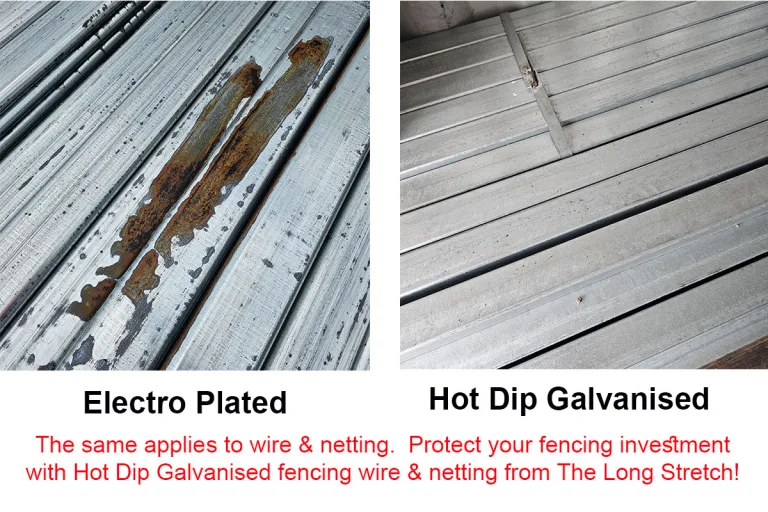
While plain 8-gauge fencing wire is available in both uncoated and galvanised varieties, many users opt for the galvanised version to enhance corrosion resistance. Galvanisation involves coating the wire with a layer of zinc, preventing rust and extending its lifespan, especially in humid or wet climates.
3. Versatility in Application
This fencing wire is widely used in agriculture, construction, landscaping, and security applications. Some of the most common uses include:
- Livestock fencing: Keeps animals contained and predators out.
- Garden protection: Prevents pests from invading crops and plants.
- Vineyard trellises: Supports grapevines and other climbing plants.
- Security barriers: Reinforces perimeters for added protection.
- DIY projects: Used for crafting, home repairs, and industrial applications.
4. Ease of Installation and Maintenance
Despite its sturdy nature, plain 8-gauge fencing wire is relatively easy to install. It can be strung between fence posts, stretched tightly for tensioned fencing, or twisted for additional security. Regular maintenance, such as checking for tension and ensuring proper anchoring, keeps the wire functional for years.
Benefits of Using Plain Fencing Wire
1. Cost-Effective Solution
Compared to other fencing materials like wooden panels or chain-link fences, this wire is more affordable while offering comparable durability. It is an excellent option for large-scale fencing projects without breaking the budget.
2. Durable and Long-Lasting
With proper installation and maintenance, plain fencing wire can last for decades, especially when galvanised. This durability ensures that property owners get the best return on investment.
3. Minimal Environmental Impact
Unlike synthetic or plastic fencing alternatives, steel wire is recyclable. At the end of its lifespan, it can be repurposed or melted down for reuse, making it a sustainable fencing choice.
4. High Customisation Options
Users can adjust the height, spacing, and tension of the wire to meet specific needs. Whether constructing a tall security barrier or a low livestock fence, the wire provides flexibility in design and application.
For current high-tensile and soft plain-wire specifications, roll sizes and bulk supply options, view Stock Fence Australia’s plain-wire range.
Installation Tips for Fencing Wire
To maximise the efficiency and longevity of your fencing project, consider the following installation tips:
1. Choose the Right Fence Posts
- Use wooden, steel, or concrete posts based on the terrain and intended use.
- Spacing between posts should be 2 to 3 metres apart for optimal support.
2. Tensioning the Wire Properly
- Use fence strainers or tensioners to ensure a tight and secure fit.
- Over-tensioning may lead to wire breakage, while under-tensioning may cause sagging.
3. Securing the Wire
- Use staples or clips to attach the wire firmly to fence posts.
- For added security, consider wrapping or twisting the wire at anchor points.
4. Preventing Rust and Corrosion
- If using plain (non-galvanised) wire, apply a rust-resistant coating or paint.
- Regularly inspect for signs of corrosion and replace affected sections promptly.
Common Questions
Q: Can plain fencing wire be electrified?
A: Yes, plain fencing wire is commonly used for electric fencing systems. It conducts electricity well, making it an effective deterrent for livestock control and security.
Final Thoughts
Plain fencing wire is an excellent choice for those seeking strength, durability, and versatility in fencing solutions. Whether securing farmland, protecting property, or building functional enclosures, its affordability and reliability make it a go-to option for professionals and DIYers alike. With proper installation and maintenance, this type of fencing wire provides long-lasting protection and peace of mind.
For anyone looking to start a fencing project, understanding the advantages of 8-gauge fencing wire ensures you make an informed decision—one that balances cost, strength, and durability for your specific needs.